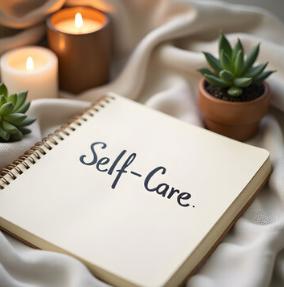
Blog Post: Self-Care Sundays, Reimagined: Gentle Rituals for Neurodivergent Minds
Self-Care Sunday is often pictured as long skincare routines, perfectly clean spaces, and an endless to-do list disguised as “wellness.” For many neurodivergent people, that version of self-care can feel exhausting, inaccessible, or even guilt-inducing.
Here’s the truth: self-care isn’t about doing more—it’s about supporting your nervous system, your energy, and your needs. And those needs can look very different for neurodivergent minds.
Let’s reimagine Self-Care Sunday with gentleness, flexibility, and permission to do things your way.
🌿 1. Choose Regulation Over Productivity
If your body or brain feels dysregulated, no amount of “productive” self-care will help.
Instead of asking:
“What should I do today?”
Try asking:
“What would help me feel 5% calmer or safer right now?”
That could look like:
- Sitting on the floor instead of a chair
- Wrapping up in a weighted blanket
- Listening to the same song on repeat
- Doing absolutely nothing without explaining yourself
Small regulation beats big routines every time.
🎧 2. Build a Sensory-Support Menu (Not a Schedule)
Schedules can be stressful. A menu gives choice without pressure.
Create a short list of sensory supports you can pick from on Sundays:
- Soft textures (favorite hoodie, blanket, socks)
- Comfort sounds (brown noise, rain, familiar TV shows)
- Safe scents (lavender, vanilla, or no scent at all)
- Low-light options (lamps, candles, screen dimmers)
You don’t need to use everything—just knowing your options exist is self-care.
🧼 3. Redefine “Care Tasks” Without Shame
Hygiene and care tasks can be hard when executive function is low. That doesn’t mean you’re failing.
Try “good enough” care:
- Face wipe instead of full skincare
- Dry shampoo instead of washing hair
- Brushing teeth for 30 seconds instead of skipping
- Changing clothes instead of showering
Caring for yourself imperfectly is still caring for yourself.
📵 4. Create a Low-Demand Digital Boundary
Instead of a full “digital detox” (which can feel unrealistic), try digital softening:
- Lower screen brightness
- Mute notifications for a few hours
- Stay online but consume familiar, comforting content
- Avoid decision-heavy apps (emails, shopping, planning)
Self-care doesn’t mean disconnecting—it means reducing friction.
🧠 5. Externalize Your Thoughts (Gently)
If your brain feels loud, you don’t need to journal perfectly.
Try:
- A messy notes app brain-dump
- Voice-to-text rambling
- Writing one sentence: “Today feels like ___.”
- Making a “done list” instead of a to-do list
Getting thoughts out of your head—even briefly—can bring relief.
🌙 6. End the Day With a Transition Ritual
Transitions are often harder than the activity itself.
Create a simple Sunday-night ritual to ease into the week:
- Change into specific “sleep clothes”
- Dim the lights at the same time
- Play one consistent calming sound
- Repeat a grounding phrase like: “I did enough today.”
Predictability can be deeply soothing.
💛 Remember This
You don’t need to earn rest.
You don’t need to optimize yourself.
You don’t need to turn self-care into another performance.
Self-Care Sunday can be quiet, messy, repetitive, and still deeply valid.
Listen to your nervous system. Honor your energy. And let care meet you where you are.